 comparison
Is a DIY Will Worth It in Maryland? 2026 Guide
Table of Contents
- Is a DIY Will Worth It in Maryland? What You Need to Know
- Requirements for a Valid Will in Maryland
- Common Mistakes in DIY Wills That Create Legal Problems
- DIY Will Tools vs. Professional Estate Planning: Cost Comparison
- Storing Your Will: Maryland Register of Wills Requirements
- When a DIY Will Works and When You Need an Attorney
- What Happens When a Will Is Contested in Maryland Probate
- The Bottom Line: Is DIY Worth the Risk?
- Frequently Asked Questions
Last Updated: September 25, 2026
Is a DIY Will Worth It in Maryland? What You Need to Know
If you're considering a DIY will in Maryland, the key question is whether a DIY will is a DIY will worth it in Maryland, and the answer depends on your specific situation. Many people delay because the process feels overwhelming or expensive, but creating a will is one of the most important decisions you'll make for your family's future.
The short answer is that DIY wills work for some situations, but they fail spectacularly in others. The difference often comes down to complexity, family dynamics, and how much you're willing to risk.
Requirements for a Valid Will in Maryland
A valid will in Maryland must meet specific legal standards. Your will must be in writing and signed by you in the presence of at least two witnesses who are competent (of sound mind and legal age) and cannot be beneficiaries. If these requirements aren't met, a court may declare the will invalid and your estate gets distributed according to state intestacy laws instead of your wishes.
The will must demonstrate testamentary capacity, that you understood your property, family members, and the disposition you were making. If someone contests the will claiming lack of capacity or undue influence, the burden of proof shifts depending on how the will was executed.
Maryland allows self-proving affidavits, notarized statements signed by you and your witnesses declaring proper execution, which eliminate the need for witness testimony in probate court. DIY tools sometimes include this, but notarization must be done correctly or the affidavit loses its legal effect.
Maryland's probate code and will execution requirements
Common Mistakes in DIY Wills That Create Legal Problems
The most dangerous aspect of DIY wills is what you miss or get wrong. Small errors can invalidate an entire document or create ambiguity that leads to expensive probate litigation.
Improper Witness Execution
Maryland Estates and Trusts Code § 4-101 requires witnesses to sign in the testator's presence and in each other's presence simultaneously. Courts have invalidated wills where witnesses signed at different times or where a beneficiary served as a witness. Many DIY templates fail to flag that beneficiaries cannot witness, leading families to ask someone who later inherits under the will.
Lack of Self-Proving Affidavit
Under Maryland Estates and Trusts Code § 4-103, a self-proving affidavit eliminates the need for witness testimony in probate court. The affidavit must be notarized with specific language confirming proper execution and testamentary capacity. If the notarization is defective or language incomplete, the affidavit loses its legal effect entirely.
Unclear or Conflicting Language
Ambiguous wording creates disputes resolved through expensive litigation. For example, "I leave my property to my children equally" doesn't specify whether a deceased child's share goes to their children or is divided among surviving children. A professional will uses precise language to eliminate this ambiguity.
Failing to Account for Blended Families
In blended families, a DIY will can inadvertently disinherit one group. Maryland law doesn't automatically protect children from prior relationships. If you leave "all my property to my spouse," your children from a prior marriage receive nothing. Proper planning requires specific language addressing each family group and consideration of trusts to protect your children's inheritance. DIY templates rarely guide users through these scenarios.
Digital Assets and Online Accounts
Most DIY templates don't address cryptocurrency, online accounts, social media profiles, or digital files. Without clear instructions, your personal representative may not know they exist or how to access them. Many online accounts prohibit access by anyone other than the account holder. A comprehensive estate plan includes a digital asset schedule with access instructions.
Ignoring State Law Changes and Tax Planning
Maryland's probate laws and federal tax rules evolve. A will created years ago using an online template might not reflect current requirements or miss new planning opportunities. DIY tools don't always update automatically, and you might not know your document needs revision. Professional estate planning includes periodic reviews to ensure alignment with current law.
Failure to Designate a Personal Representative Clearly
If your will doesn't clearly name a personal representative, the probate court appoints someone according to a statutory priority list. DIY wills sometimes name multiple people without specifying succession, creating confusion.
DIY Will Tools vs. Professional Estate Planning: Cost Comparison
Online platforms offer various pricing structures for DIY will creation. These prices are often lower than attorney consultations.
The comparison breaks down when you factor in risk. If a DIY will is challenged and found invalid, your family faces probate court battles costing thousands in legal fees. Ambiguous language can trigger litigation exceeding $10,000. A will that fails to account for tax planning might cost your heirs tens of thousands in unnecessary estate taxes.
Storing Your Will: Maryland Register of Wills Requirements
The Maryland Register of Wills offers secure storage for original wills for just $5. When you deposit your will, it's protected from loss or damage and on file with the probate court before your death. This simplifies the process for your personal representative and heirs.
Safe deposit boxes can be sealed after death, delaying probate. Home safes may be overlooked or damaged. The Register of Wills provides official, secure storage.
If you use a DIY will, deposit the original with the Register of Wills in your county. Keep a copy at home for your personal representative to reference. This simple step prevents confusion and delays.
Maryland Register of Wills safekeeping service
When a DIY Will Works and When You Need an Attorney
A DIY will can be appropriate in specific situations. Understanding when it makes sense hinges on family complexity and asset diversity rather than estate size alone.
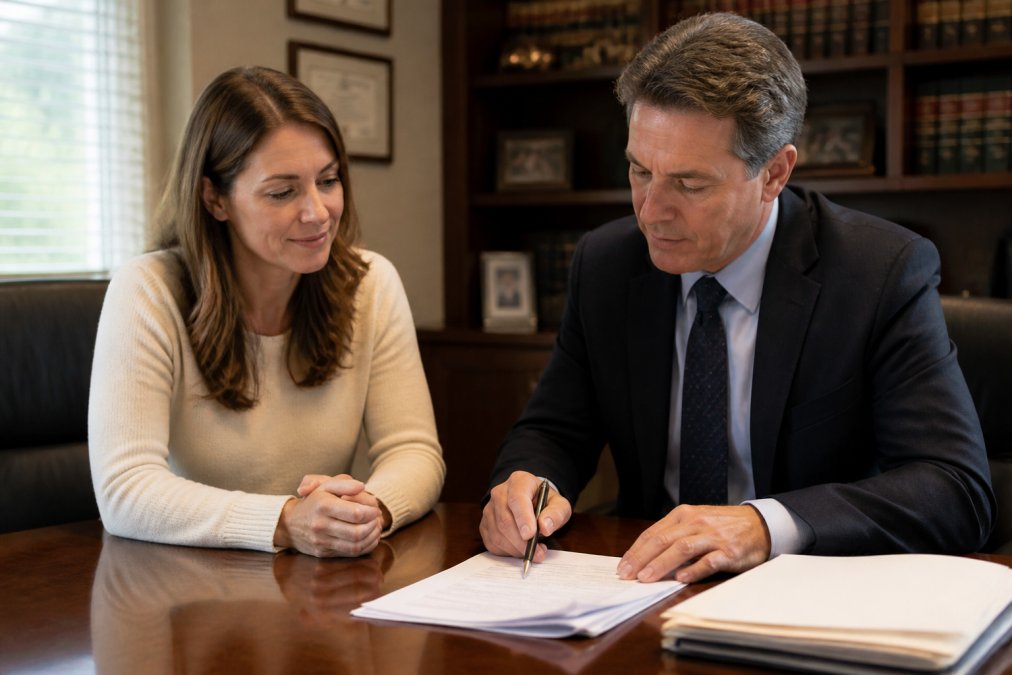
DIY wills work best when: Your estate is small and straightforward (under $100,000 with no real property), your wishes are clear and uncontested, your family gets along with no history of conflict, you have no minor children, you're not concerned about estate taxes, and your digital assets are minimal or easily discoverable.
You need an attorney when:
You own real property, your estate exceeds $100,000, you have minor children requiring guardianship and trust designations, or you are in a blended family. A simple will leaving "all my property to my spouse" disinherits your children from a prior marriage entirely. Blended families require careful planning to ensure each family group is protected. Professional guidance is essential in this scenario.
You have significant digital assets or online accounts. If you own cryptocurrency, maintain valuable digital files, operate social media accounts with business value, or hold funds in online-only banks, a DIY will likely doesn't address how your personal representative accesses or manages these assets. Many online platforms have terms of service that restrict account access after death, creating legal complications that require professional navigation. A comprehensive digital asset schedule and clear instructions for accessing accounts are critical but rarely included in DIY templates.
You have significant assets in different forms (retirement accounts, investments, business interests). Different asset types have different transfer rules. Retirement accounts pass by beneficiary designation, not by will. Business interests may require a buy-sell agreement. Investment accounts may have tax implications. A DIY will doesn't coordinate these different asset types into a coherent plan.
You're concerned about estate taxes or want to minimize the tax burden on heirs. Federal estate tax exemptions are substantial but change periodically. If your estate approaches the exemption threshold, tax planning strategies like trusts or lifetime gifts can save your heirs tens of thousands of dollars. DIY tools don't provide this analysis.
You anticipate a will contest. If family members might challenge your wishes, professional documentation of your intent and capacity is crucial. An attorney's notes about your state of mind, observations about your capacity, and careful execution procedures all strengthen your will against challenge.
You want to establish trusts. Living trusts, special needs trusts, or other structures require professional drafting.
What Happens When a Will Is Contested in Maryland Probate
A will contest is a legal challenge to the document's validity or the testator's capacity. When a will is contested, the probate process becomes expensive, time-consuming, and emotionally draining for your family.
Maryland probate court procedures for contested wills
The Bottom Line: Is DIY Worth the Risk?
A DIY will is worth it only if your situation is genuinely simple and you're willing to accept the risks. For most people, the peace of mind that comes with professional guidance is worth the investment.
Frequently Asked Questions
What are the legal requirements for a valid will in Maryland?
A valid will in Maryland must be signed by the testator (the person creating it) and witnessed by at least two competent witnesses who sign in the testator's presence. The testator must have testamentary capacity, meaning sound mind and understanding of their assets and family. Maryland also allows self-proving affidavits, which require notarization and can streamline probate. These statutory requirements exist to prevent fraud and ensure the document reflects the testator's true intent.
What are the most common mistakes made in DIY wills?
Common mistakes in DIY wills include improper witness signatures, failure to date the document, unclear language about asset distribution, and overlooking digital assets or social media accounts. Many DIY creators also fail to address guardianship for minor children or make conflicting statements that invite challenges. Drafting errors about real property descriptions or beneficiary names can also render provisions unenforceable, forcing assets into intestacy and creating family disputes.
How much does a will cost compared to using a DIY tool?
DIY will tools offer various pricing structures. The cost of estate planning attorney services varies based on complexity, but professional guidance ensures compliance with Maryland law and addresses unique circumstances like blended families or high-net-worth assets. Contact The Law Office of Thomas K. Mallon, LLC for a consultation to discuss your specific needs and options.
Can I store my DIY will at the Maryland Register of Wills?
Yes. The Maryland Register of Wills offers a safekeeping service where you can deposit your original, signed will for secure storage for a one-time fee of $5.00. This protects your document from loss, damage, or unauthorized alteration and ensures it's available to your personal representative when needed. The Register maintains standardized filing and retrieval procedures. However, the safekeeping service does not validate the will's legal sufficiency, it only stores the document you provide.
Don't let uncertainty about your will delay protecting your family. A simple conversation with a professional can clarify whether a DIY approach makes sense for you or whether professional guidance is the right investment. Schedule your free consultation with The Law Office of Thomas K. Mallon, LLC today and get clarity on the best path forward for your estate.