 how-to
How to Create a Living Trust: 2026 Guide
Table of Contents
- What Is a Living Trust and Who Needs One?
- Living Trust vs Will: Pros and Cons to Weigh Before You Decide
- Steps to Create a Living Trust
- How to Fund a Living Trust: Transferring Assets Correctly
- Trustee Responsibilities and Ongoing Trust Administration
- Cost of Creating a Living Trust: What to Expect
- Do You Need an Attorney to Create a Living Trust?
- Frequently Asked Questions
Last Updated: August 17, 2026
What Is a Living Trust and Who Needs One?
A living trust is a legal document that places your assets into a trust during your lifetime, allowing those assets to pass directly to your beneficiaries without going through probate. The grantor creates the trust, transfers assets into it, and typically serves as the initial trustee while alive and mentally capable.
The core appeal is probate avoidance. Probate is the court-supervised process of distributing a deceased person's estate, and it can take months or years depending on complexity and state backlog. A properly funded living trust sidesteps that process entirely, keeping asset transfers private and efficient.
Who actually needs one? A living trust is most valuable for people who own real estate in more than one state, have minor children or beneficiaries with special needs, want to plan for incapacity, or hold significant assets they want transferred quickly and privately. If your estate is modest and straightforward, a will combined with beneficiary designations may be sufficient.
The key distinction is that a living trust only controls assets that have been transferred into it. A trust document sitting in a drawer, unfunded, does nothing. According to the American Bar Association's estate planning resources, incapacity planning is one of the most overlooked reasons to create a revocable living trust, since it allows a successor trustee to manage assets without court intervention if the grantor becomes incapacitated.
Living Trust vs Will: Pros and Cons to Weigh Before You Decide
Most people frame this as an either/or choice. It is not. Most estate plans include both a living trust and a pour-over will, which catches any assets not transferred into the trust during your lifetime and directs them into the trust at death.
| Factor | Living Trust | Will |
|---|---|---|
| Probate avoidance | Yes, for funded assets | No |
| Privacy | Yes, trust terms remain private | No, wills become public record |
| Incapacity planning | Yes, successor trustee steps in | No, requires separate power of attorney |
| Cost to create | Generally higher upfront | Generally lower upfront |
| Multi-state property | Avoids multiple probate proceedings | Requires ancillary probate in each state |
| Immediate effectiveness | Yes, active during lifetime | Only takes effect at death |
Pros of a living trust: Probate avoidance, privacy, seamless incapacity planning, and faster asset distribution to beneficiaries.
Cons of a living trust: Higher upfront cost to draft, requires active funding to be effective, and ongoing administration responsibility.
For families with real estate, minor children, or complex asset structures, the living trust typically delivers more long-term value despite the higher setup cost.
Revocable vs. Irrevocable Trusts: Which Type Fits Your Goals?
A revocable living trust is one the grantor can modify, amend, or revoke entirely during their lifetime. The grantor retains full control over the assets in the trust corpus. Because of that control, the assets remain part of the grantor's taxable estate and are generally accessible to creditors. This is the most common structure for estate planning purposes.
An irrevocable trust cannot be changed once executed without the consent of the beneficiaries. In exchange for giving up control, the grantor typically removes those assets from their taxable estate and gains asset protection from future creditors. Irrevocable trusts are more commonly used for Medicaid planning, estate tax reduction, or protecting assets for a beneficiary with special needs.
For most people creating a living trust for the first time, a revocable trust is the right starting point. The flexibility to amend it as life circumstances change is worth more than the tax or creditor-protection benefits of an irrevocable structure.
Steps to Create a Living Trust
Creating a living trust is a structured process, not a single form you fill out. Done correctly, it takes time, attention, and legal precision.
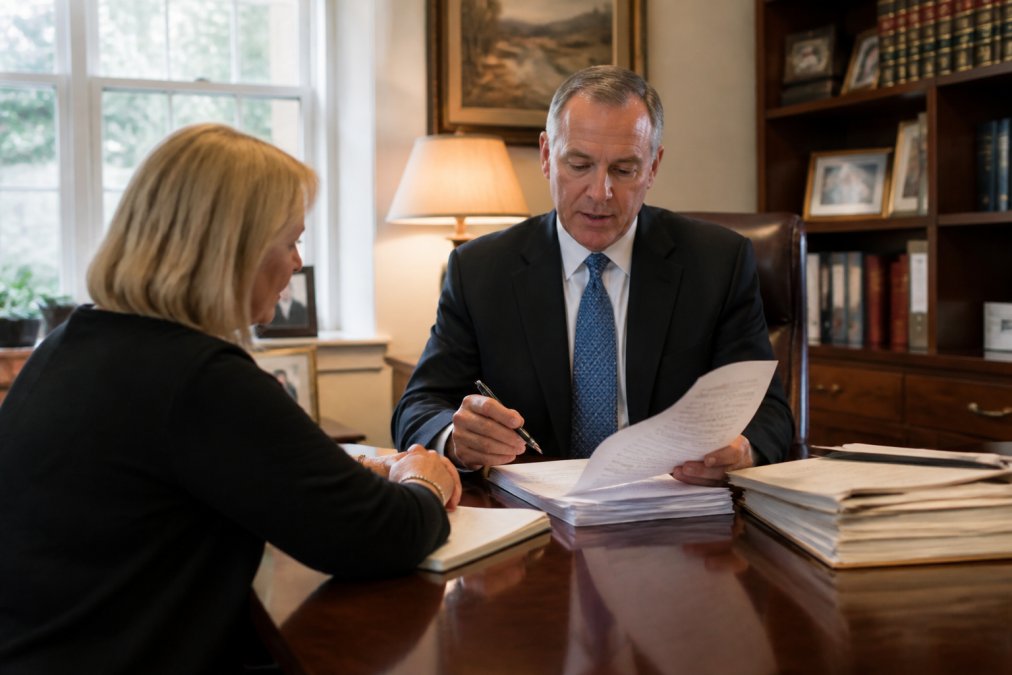
Step 1: Take an Asset Inventory
Before drafting anything, you need a complete picture of what you own. List every asset you intend to place in the trust: real estate, bank accounts, investment accounts, vehicles, business interests, and personal property of significant value. For each asset, note how title is currently held, as community property and separate property are treated differently depending on your state's laws.
A thorough asset inventory also helps you identify what does NOT belong in a living trust. Retirement accounts like IRAs and 401(k)s should not be retitled into a trust, as doing so can trigger immediate tax consequences. Life insurance policies are typically handled through beneficiary designations instead.
Step 2: Name Your Trustee, Successor Trustee, and Beneficiaries
The trustee manages the trust assets according to the trust agreement. As the grantor, you will almost always serve as your own trustee initially, maintaining full control during your lifetime.
The successor trustee takes over when you become incapacitated or die. This person carries real responsibility: they must manage and distribute assets according to the trust document, maintain records, notify beneficiaries, and in some cases file tax returns for the trust. Choose someone organized, trustworthy, and willing to serve. A corporate trustee or bank trust department is a legitimate option if no suitable individual is available.
Beneficiaries are the individuals or organizations who receive the trust assets. Be specific: use full legal names, dates of birth, and clearly defined shares.
Step 3: Draft and Execute the Trust Agreement
The trust agreement is the governing legal document. It identifies the settlor, names the trustee and successor trustee, describes the trust corpus, outlines distribution instructions, and addresses what happens upon the grantor's incapacity or death.
Execution requirements vary by state, but generally a living trust must be signed in front of a notary public. Most estate plans pair the trust with a pour-over will, a durable power of attorney, and an advance healthcare directive. These documents work together. The power of attorney covers financial decisions outside the trust. The advance healthcare directive governs medical decisions. The pour-over will catches any assets not transferred into the trust.
According to the IRS guidance on trust tax identification numbers, a revocable living trust typically uses the grantor's Social Security number during the grantor's lifetime. A separate tax identification number is only required after the grantor's death, when the trust becomes irrevocable.
How to Fund a Living Trust: Transferring Assets Correctly
Funding the trust is where most people stall. Drafting the trust agreement is the beginning, not the end. Every asset you want the trust to control must be retitled into the name of the trust.
Schedule Your Free Consultation →

For real estate, execute a new deed that transfers legal title from you individually to you as trustee of your living trust. The deed must then be recorded with the county recorder's office where the property is located. For bank and investment accounts, contact the financial institution directly and complete their paperwork to retitle the account into the trust's name. Bring a copy of the trust document or a certification of trust, which is a shorter document that proves the trust exists without disclosing all its terms.
Vehicles are handled differently in most states. Retitling a car into a trust can complicate insurance coverage and is often unnecessary for lower-value vehicles.
Digital Assets and Accounts Often Left Out
Digital asset management is the gap most estate plans do not address. A successor trustee who cannot access your email, online banking portal, or cryptocurrency wallet faces significant practical obstacles, regardless of what the trust document says.
Maintain a secure document listing usernames, passwords, and account recovery methods for all digital accounts. Store it somewhere your successor trustee can access after your death. For cryptocurrency, document wallet addresses, private keys, and any hardware wallet locations explicitly. The Revised Uniform Fiduciary Access to Digital Assets Act has been adopted in most states and gives fiduciaries legal authority to access digital accounts, but practical access still requires passwords and credentials.
Trustee Responsibilities and Ongoing Trust Administration
The trustee's role is more demanding than most people expect. During the grantor's lifetime, if you are serving as your own trustee, the responsibilities are minimal. The real work falls to the successor trustee.
A successor trustee's core responsibilities include:
- Locating and securing the trust document and asset records
- Notifying beneficiaries and relevant financial institutions of the grantor's death or incapacity
- Obtaining a death certificate and, where required, a new tax identification number for the trust
- Taking inventory of trust assets and having real estate or business interests appraised
- Paying valid debts, expenses, and any taxes owed by the estate
- Distributing assets to beneficiaries according to the trust agreement
- Maintaining accurate records and preparing accountings for beneficiaries
The fiduciary duty is real. A trustee who mismanages assets, fails to act impartially, or makes self-dealing decisions can be held personally liable. Make sure your successor trustee understands what the role actually involves before they accept it.
Cost of Creating a Living Trust: What to Expect
The cost of creating a living trust varies based on the complexity of your estate, the number of assets involved, and whether you work with an attorney or use a document preparation service.
Attorney-drafted trusts are more expensive than online document services, but an attorney reviews your full situation, identifies issues a template will not catch, drafts ancillary documents like a pour-over will and power of attorney, and ensures the trust is executed correctly under your state's law.
For a meaningful cost-benefit analysis, consider the cost of probate if you do nothing. Probate fees, court costs, and attorney fees for estate administration can consume a meaningful portion of an estate's value, and the process can drag on for a year or longer. For estates with real property, multiple accounts, or beneficiaries in different states, the upfront investment in a properly drafted living trust often costs far less than the alternative.
Contact The Law Office of Thomas K. Mallon, LLC directly for current fee information. With over 25 years of experience in estate planning, the firm offers a free consultation to help you understand your options before you commit to anything.
Do You Need an Attorney to Create a Living Trust?
Technically, no. Legally, you can draft your own trust document. Practically, the risks of doing so without legal guidance are significant enough that most estate planning professionals would not recommend it for anything beyond the simplest estate.
An attorney does not just draft the document. They identify which assets should go into the trust and which should not. They catch issues like community property complications, beneficiary designations that conflict with the trust, and state-specific execution requirements that a template will not flag.
The most common failure mode for self-drafted trusts is not a poorly written document. It is a trust that was never properly funded because the grantor did not know which steps to take after signing. Assets that remain titled in the grantor's name at death still go through probate, regardless of what the trust says.
For straightforward estates with a single state, simple asset structure, and no minor children or special needs beneficiaries, a well-reviewed online service may be adequate. For anything more complex, the cost of professional guidance is almost always worth it. The Consumer Financial Protection Bureau's estate planning guidance recommends consulting a licensed attorney for estate planning matters, particularly when real estate or business interests are involved.
Estate planning feels overwhelming until someone walks you through it step by step. A living trust is one of the most effective tools available for protecting your assets and your family, but only if it is properly drafted, executed, and funded. The Law Office of Thomas K. Mallon, LLC brings over 25 years of estate planning experience to every client, with a client-centered approach that turns a complex process into a clear, manageable plan. Schedule your free consultation today and get a personalized strategy that actually reflects your situation.
Frequently Asked Questions
What are the disadvantages of a living trust?
A living trust requires more upfront work than a simple will. You must transfer each asset into the trust, a step many people skip, leaving the trust underfunded and ineffective. Drafting the trust document also costs more than a basic will. A revocable living trust offers no asset protection from creditors during your lifetime, and it does not reduce estate taxes on its own. For some estates, a straightforward will combined with a power of attorney achieves similar goals at lower cost.
What assets cannot be put in a trust?
Retirement accounts such as IRAs and 401(k)s should not be retitled into a living trust, doing so triggers immediate taxes. Term life insurance policies, vehicles in some states, and certain professional licenses also stay outside the trust. Health savings accounts and 529 college savings plans are generally kept in your own name. Instead, you name the trust as a beneficiary on accounts where direct retitling is not appropriate, so those assets still pass according to your estate plan.
Can I create my own living trust without a lawyer?
Online forms can generate a basic trust document, but errors in drafting or execution, such as missing notarization or improper deed transfers, can invalidate the trust entirely or send assets through probate anyway. State-specific rules around community property, deed language, and trustee powers add further complexity. For most people, the cost of an attorney is modest compared to the risk of a flawed document. A consultation with an estate planning attorney helps ensure the trust is properly funded and legally sound.
Is it wise to put your house in a living trust?
For most homeowners, transferring the family home into a revocable living trust is one of the most practical estate planning steps available. It allows the property to pass directly to beneficiaries without going through probate, which saves time and court costs. The transfer is done through a new deed naming the trust as owner. You retain full control of the property during your lifetime. Check with your lender first if the home carries a mortgage, and confirm your homeowner's insurance policy remains valid after the title transfer.